Article

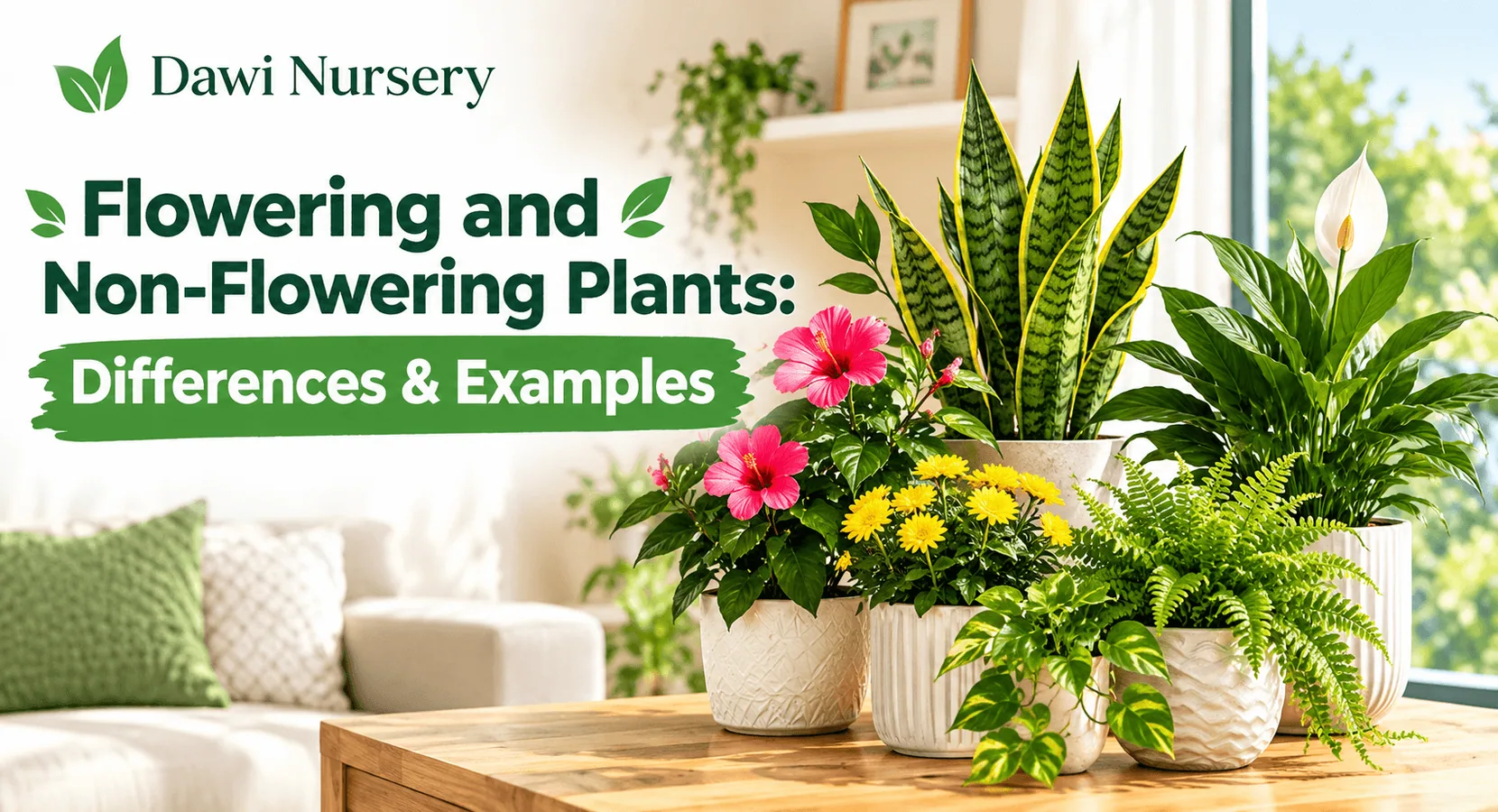
Plants bring life, beauty, and freshness to our surroundings. From colorful roses blooming in a garden to lush green ferns decorating indoor spaces, every plant has something special to offer. Understanding flowering and non-flowering plants helps you choose the right greenery for your home, garden, balcony, or office.
Whether you're a beginner exploring gardening or an experienced plant enthusiast, learning about the different types of plants can help you create a healthier, more attractive, and vibrant environment.
What Are Flowering Plants?
Flowering plants are plants that produce flowers as part of their reproductive process. Botanically known as angiosperms, these plants develop seeds enclosed within fruits. Their flowers come in different shapes, colors, and sizes, making them popular choices for gardens, landscapes, and indoor decoration.
Popular Examples of Flowering Plants
Roses: Classic flowering plants loved for their beautiful blooms and fragrance.
Jasmine: Known for its delicate white flowers and sweet scent.
Hibiscus: A tropical favorite with large, colorful flowers.
Marigolds: Bright, cheerful flowers commonly grown in garden beds and pots.
Bougainvillea: A climbing ornamental plant admired for its vibrant, colorful bracts.
Orchids: Elegant flowering plants ideal for indoor decoration and gifting.
Benefits of Flowering Plants
Flowering plants add natural color and visual interest to indoor and outdoor spaces. Many varieties attract pollinators such as butterflies and bees, supporting biodiversity. Fragrant flowers can also make gardens more inviting, while flowering houseplants provide a beautiful decorative touch.
If you want a colorful garden, consider choosing flowering plants suited to your local climate, available sunlight, and watering routine.
What Are Non-Flowering Plants?
Non-flowering plants are plants that do not produce flowers. They reproduce through methods such as spores or seeds, depending on their botanical group. Many non-flowering plants are admired for their attractive foliage, distinctive textures, and ability to create a calm, natural atmosphere.
Some produce cones rather than flowers, while others reproduce through spores.
Popular Examples of Non-Flowering Plants
Ferns: Beautiful leafy plants that thrive in suitable humid, shaded environments.
Mosses: Small, soft plants often found in damp, shaded areas.
Mosses and liverworts: Simple plants that reproduce through spores and typically grow in moist habitats.
Pine Trees: Cone-producing plants with needle-like leaves that remain green throughout much of the year.
Cycads: Ancient-looking ornamental plants with stiff, attractive foliage.
Clubmosses: Spore-producing plants with a distinctive, moss-like appearance.
Snake plants are also popular ornamental houseplants for their striking leaves and easy-care nature, although they are flowering plants botanically, even when grown primarily for their foliage.
Benefits of Non-Flowering Plants
Non-flowering plants offer a variety of textures and shades of green that complement different garden styles. Ferns and mosses can create lush, woodland-inspired spaces, while pine trees provide structure and year-round greenery in suitable climates.
Many foliage plants are also excellent choices for people who prefer greenery without relying on seasonal blooms.
Flowering vs. Non-Flowering Plants: Key Differences
Understanding the difference between flowering and non-flowering plants makes selecting plants for your space easier.
| Feature | Flowering Plants | Non-Flowering Plants |
|---|---|---|
| Reproduction | Produce flowers and seeds | Reproduce through spores or seeds, depending on the group |
| Main attraction | Colorful blooms, fragrance, and foliage | Foliage, cones, texture, and greenery |
| Examples | Roses, jasmine, hibiscus | Ferns, mosses, pine trees |
| Pollination | Often involve pollination | Flower-based pollination does not occur |
| Decorative use | Colorful gardens and flowering displays | Green landscapes and foliage arrangements |
Both groups contribute to plant diversity and offer unique benefits for home gardening and landscaping.
How to Choose the Right Plants for Your Home or Garden
Choosing between flowering and non-flowering plants depends on your preferences, available space, and growing conditions.
1. Consider sunlight: Roses and hibiscus generally need plenty of sunlight, while some ferns prefer indirect light or shade.
2. Check watering requirements: Succulents and snake plants prefer less frequent watering, while moisture-loving ferns need more consistent moisture.
3. Think about maintenance: If you're new to gardening, look for easy-care varieties that suit your environment.
4. Match your décor: Flowering plants introduce color, while foliage plants create a soothing, green backdrop.
5. Plan for the climate: Choose species that can tolerate your local temperatures and seasonal conditions.
Combining flowering plants with attractive foliage varieties can create a balanced garden that remains visually appealing throughout the year.
Tips for Keeping Your Plants Healthy
Healthy plants need the right balance of light, water, nutrients, and growing conditions. Use well-draining soil for plants that dislike waterlogged roots, choose suitable containers, and inspect leaves regularly for pests or signs of stress.
Avoid overwatering, as excess moisture can damage roots. Remove dead leaves and spent flowers when appropriate, and research the specific care requirements of each plant variety.
For additional gardening guidance, explore the Royal Horticultural Society's plant advice and the Missouri Botanical Garden's plant resources to learn more about plant selection and care.
Final Thoughts
Flowering and non-flowering plants both play an important role in creating beautiful, inviting green spaces. Flowering varieties offer colorful blooms and fragrance, while non-flowering plants provide fascinating foliage, textures, and structural beauty.
By selecting plants according to your space, lifestyle, and growing conditions, you can build a garden that reflects your personality and brings nature closer to everyday life.
Whether you're searching for flowering plants for a colorful garden or easy-care greenery for your home, explore the possibilities and find varieties that suit your needs.
For more plant inspiration and nursery options, visit Dawi Nursery and discover ways to bring more greenery into your surroundings.
Recent Posts


How to Start a Plant Nursery Business in UAE: A Complete Guide
October 08, 2026
Artificial Grass Carpet Dubai – Bring Lush Greenery to Any Space
October 07, 2026

 25.00


